
mufeetha.online

Have you ever wondered why certain colours make you feel calm, while others make you feel energetic or excited? Colours are a part of our everyday lives, from the clothes we wear to the spaces we live in.

The psychology of colours explores how different colours may influence our emotions, moods, and perceptions. Although everyone experiences colours differently, understanding their psychological associations can help us appreciate the fascinating role colours play in everyday life.

What Is Colour Psychology?

Colour psychology is the study of how colours may influence human emotions, thoughts, and behaviour. Different colours are often associated with different feelings and meanings, although these associations can vary across cultures and personal experiences.

For example, blue is often associated with calmness, while yellow is commonly linked to happiness and energy. Understanding these associations helps us explore how colours affect the way we experience the world around us.

How Different Colours Affect Our Emotions

1. Red — Energy and Passion

Red is a bold colour often associated with energy, passion, and excitement. It naturally attracts attention and can create a strong visual impression. However, its meaning may change depending on the context in which it is used.

2. Blue — Calmness and Trust

Blue is often connected with calmness, stability, and trust. Many people find blue relaxing, which is one reason it is commonly used in spaces and designs intended to feel peaceful and professional.

3. Yellow — Happiness and Optimism

Yellow is frequently associated with sunshine, happiness, and optimism. Its bright appearance can create a cheerful feeling, although very intense shades may feel overwhelming to some people.

4. Green — Nature and Balance

Green reminds many people of plants, forests, and nature. It is often associated with growth, freshness, and balance. Different shades of green can create different impressions, from peaceful to energetic.

5. Black — Elegance and Power

Black is often associated with elegance, sophistication, and strength. It can create a clean, modern appearance when combined with other colours. In some contexts, it may also represent seriousness or mystery.

6. White — Simplicity and Peace

White is commonly associated with simplicity, cleanliness, and openness. It can make a space feel bright and uncluttered. Its meaning also varies across cultures and traditions.

Colours in Everyday Life

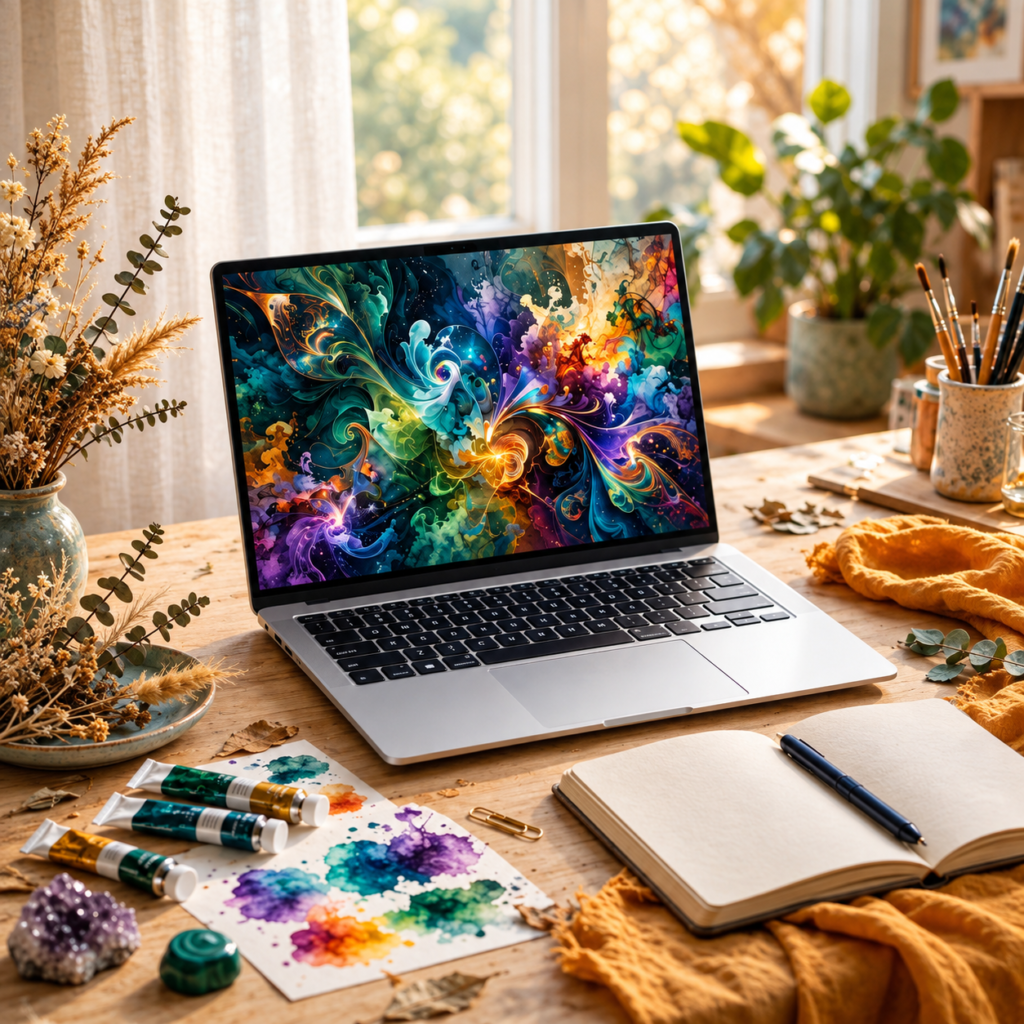
Colours influence how we experience everyday surroundings, including our homes, clothing, workplaces, and public spaces.

In home interiors, soft colours may create a peaceful atmosphere, while brighter colours can add energy and character. Clothing colours can express personal style and mood. In public spaces, colours can help people recognise signs, understand information, and navigate their surroundings.

Although colours can influence our impressions, their effects depend on context, culture, individual preferences, and experiences.

Why Do People Respond Differently to Colours?

Not everyone experiences colours in the same way. Personal memories, cultural backgrounds, age, and individual preferences can influence how someone interprets a particular colour.

For example, one person may associate green with a peaceful garden, while another may remember a special place or event connected with that colour. These personal associations help explain why there is no single emotional response that applies to everyone.

Can Colours Influence Our Mood?

Colours can influence our impressions of a place and may affect how we feel in certain situations. A bright room may seem lively, while a space decorated in softer tones may feel more relaxing.

However, colour alone does not determine our emotions or behaviour. Lighting, surroundings, personal experiences, and the situation also play important roles. Choosing colours you personally enjoy can be a simple way to make your surroundings feel more comfortable.

Conclusion

Colours are more than visual elements; they are an interesting part of how we experience everyday life. From the calming associations of blue to the cheerful appearance of yellow, colours can influence our impressions and help us express ourselves.

Understanding colour psychology encourages us to notice the colours around us and appreciate the different meanings they can hold. Most importantly, colour preferences are personal, and the same shade can mean something different to different people.

Leave a Reply

Your email address will not be published. Required fields are marked *